Omachi THE PHANTOM SAKE RICE
A depth no other sake rice can give.
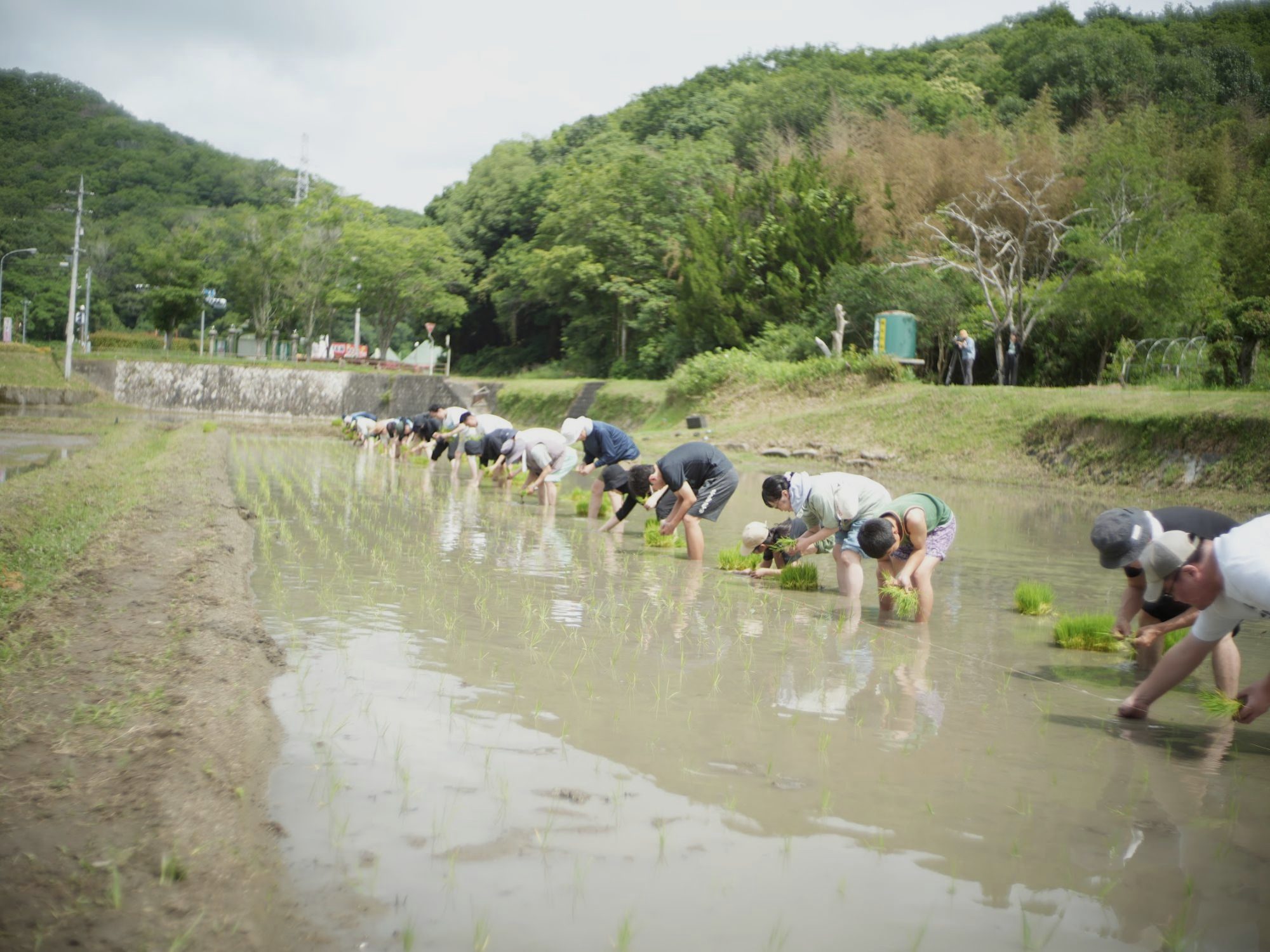
Grown with local rice, brewed with local water, shaped by this climate and soil. Only then, we believe, is a sake truly of its place. At the centre of that belief stands a rice that once vanished from these fields: Omachi.
The oldest sake rice still grown
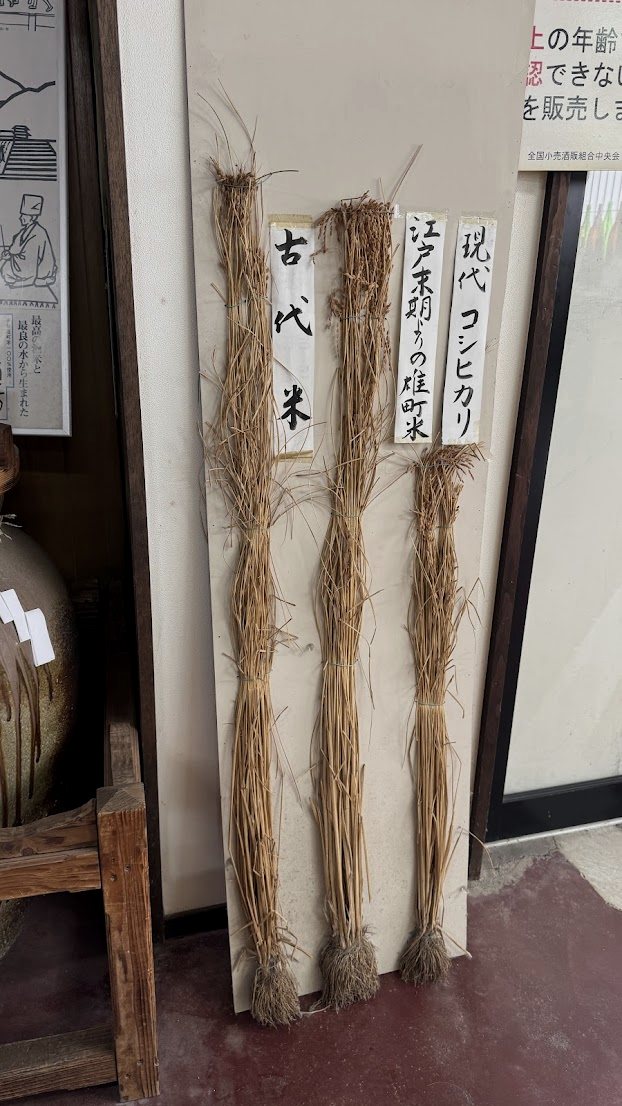
Omachi was discovered in 1851 in a village near Okayama. It is the oldest pure sake rice still in cultivation, and the ancestor of famed modern varieties such as Yamada Nishiki. Its grain is large, its starchy heart soft and broad — qualities that let the koji mould strike deep and draw out a flavour brewers have prized for over a century.
In the early Showa era it was said that no sake could take a top prize at the national appraisals unless it had been brewed from Omachi.
Why it became a phantom
Omachi is an unforgiving crop. The stalks grow to nearly 1.8 metres and fall easily in wind and rain. The plant is fragile against pests and disease. It resists fertiliser and demands constant, patient hands.
As postwar agriculture mechanised and yield became the measure, farmers had little reason to keep it. The planted area fell year after year until, at its lowest, only six hectares remained in all of Japan. People began to call it maboroshi no kome — the phantom rice.
When I set my mind on bringing Omachi back in the 1970s, most sake on the shelf was sanzoshu — heavily extended with brewing alcohol, sugars and seasonings. Sweet, sticky stuff. What was asked for was volume, not quality. It was, I think, a fallen age for sake.
Tadayoshi Toshimori, fourth-generation head
The revival
Bringing the rice back meant asking farmers to take on work that paid less and demanded more: organic fertiliser, no pesticides, and a crop that might fall flat in a single storm. They had every reason to refuse.
So the brewery carried the risk instead — guaranteeing the growers' income and pledging to buy every harvest, whatever came. One by one, farmers joined. In 1982 a rice-improvement council was formed: brewery, farmers, the agricultural cooperative and the local government working as one body.
Two years later, a daiginjo brewed from revived Karube Omachi took the gold prize at Japan's National New Sake Appraisal. That sake was named Akaiwa Omachi.
Where it stands today
Omachi is grown across Japan again, sought out by craft brewers nationwide who prize the weight and length it gives. It began here, in these paddies, with these growers.
We are the brewery entrusted with their rice. That Omachi is loved somewhere in Japan today — that is our pride.
Kibiyoshi, another rice brought back
Omachi is not the only variety we have helped return to the fields. Kibiyoshi, a local Okayama rice long out of cultivation, has also been revived and is now brewed in small quantities.